


GEORGETOWN UNIVERSITY SCHOOL OF MEDICINE
Doctorate in Medicine
STANFORD UNIVERSITY HOSPITAL
Residency in Radiology
SANTA BARBARA COTTAGE HOSPITAL
Internship in Internal Medicine
AMERICAN BOARD OF INTEGRATIVE MEDICINE
Board Certification, American Board of Physician Specialties
INSTITUTE OF FUNCTIONAL MEDICINE
Certified Practitioner
BREDESEN PROTOCOL
Bredesen Protocol Trained Practitioner
ACADEMY OF INTEGRATIVE HEALTH & MEDICINE
AIHM Integrative Medicine Fellowship
UC SANTA BARBARA
Bachelor of Science in Pharmacology
“The beauty of working together from a functional and
integrative medicine approach is that your healing journey is tailored specifically to you.”
Dr. Nett | Founder
Amy Nett, MD
On Life’s Unexpected Twists
The call to healing arrives differently for every doctor. For me, it began long before I ever practiced medicine—during my years at UC Santa Barbara, where I studied pharmacology, competed as a nationally ranked cyclist, and first discovered the joy of local farmers markets. That early love of science, nutrition, and movement guided me to Georgetown University School of Medicine, where I earned my M.D. along with an additional year devoted to clinical research.
After graduation, I returned home to California for an internship in internal medicine at Santa Barbara Cottage Hospital, followed by four years of radiology residency and a year of fellowship training at Stanford University Hospital. For more than a decade, I was deeply immersed in the conventional medical model and never thought to question it.
But during my fellowship year, something shifted. I had always been a dedicated athlete and maintained a very lean physique through rigid eating patterns and excessive cardio—strategies that "worked" for me even if they weren't the healthiest. Then, in my early thirties, my body changed. I was gaining weight, exhausted, and losing hair. The fatigue made sense given my call schedule, but the rest did not.
At an annual appointment—after waiting nearly two hours in the waiting room—I had a brief 15-minute visit with a physician I had never met. She diagnosed me with PCOS and hypothyroidism and handed me prescriptions for metformin and levothyroxine, telling me that I would likely take both forever. There was no discussion of my diet, lifestyle, training schedule, or what mattered to me. Something about this felt profoundly wrong.
That moment became the turning point. It was the first time I truly questioned the limitations of brief appointments and treatment plans that relied almost exclusively on medication. It was also when food shifted from being merely "calories" to becoming a therapeutic tool—one that could heal metabolism, support physiology, and profoundly influence health.
I never took the metformin. With thoughtful nutrition and building meaningful muscle mass, my glucose remains exceptionally well controlled. I do still take thyroid hormone replacement, and I've made peace with the reality that I may never know why I developed hypothyroidism—but optimizing my thyroid levels remains deeply supportive of my wellbeing.
Motivated by both personal experience and a growing recognition of the gaps in conventional care, I spent the next several years immersing myself in functional and integrative medicine. I trained under a variety of mentors and leaders in the field, ultimately leaving radiology to pursue this work full-time. In 2014, I joined the California Center for Functional Medicine, and in the years that followed I completed the Institute for Functional Medicine (IFM) Certification Program, a two-year fellowship with the Academy of Integrative Health and Medicine (AIHM), and achieved board certification in Integrative Medicine through the American Board of Physician Specialties (ABPS).
Today, in my private practice, I blend my conventional medical training with a deeply personalized, lifestyle-centered approach—especially for women navigating perimenopause and menopause. I live the recommendations I share with my patients: prioritizing protein, eating generous amounts of vegetables, and strength training consistently. Fortunately, these are things I genuinely enjoy—and I love watching patients discover the confidence, resilience, and vitality that build alongside strength.
I'm as committed to learning now as I was at the beginning of my career. I continue to grow alongside my patients, integrating emerging research with decades of clinical experience. This work is a privilege, and I remain endlessly curious about what unfolds in this next chapter—for both me and the people I'm fortunate to care for.
With Gratitude,


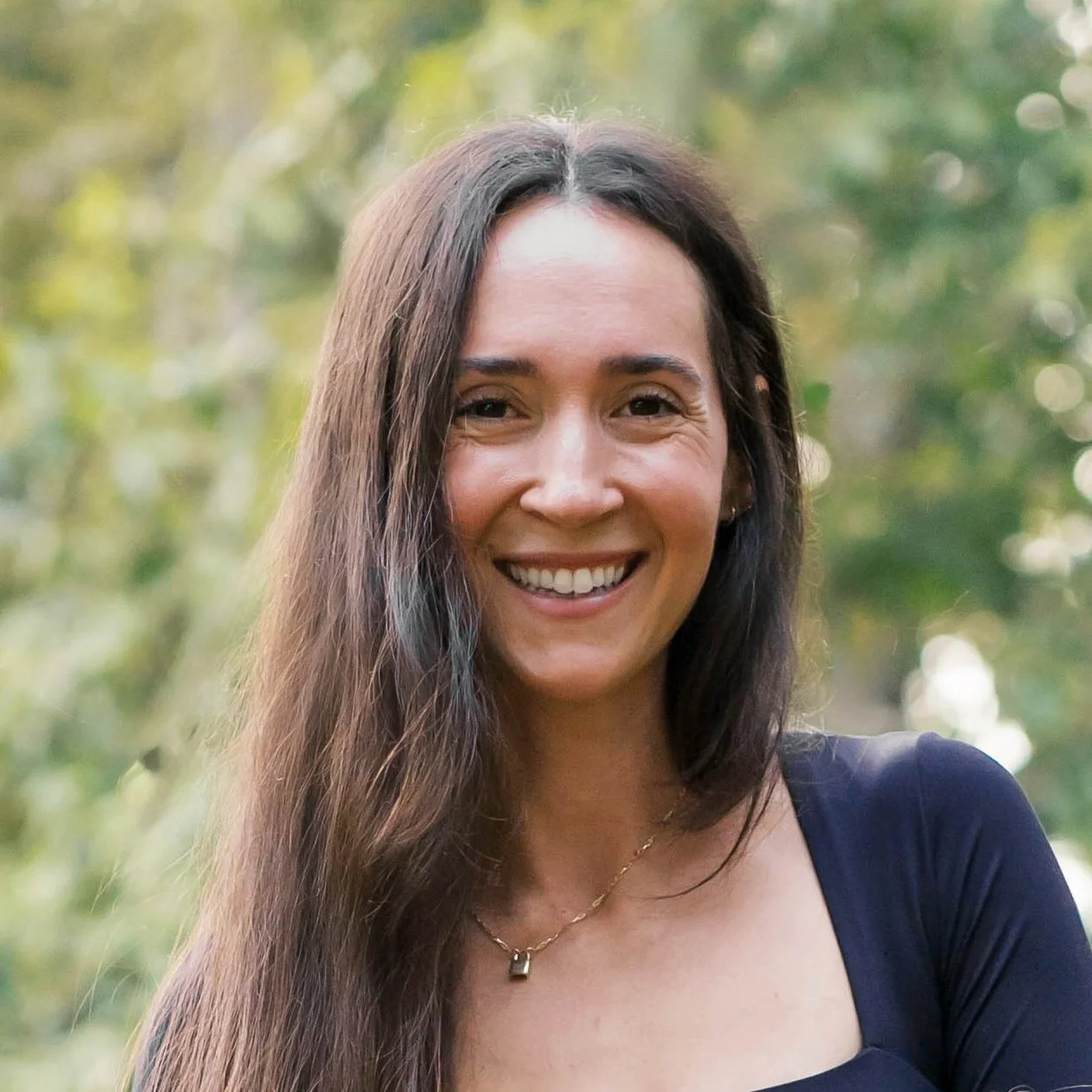
CARLY JACQUES-JONSEN
Patient Care Coordinator
Growing up, health and wellness were central in my household. At the time, the lack of junk food in the cupboard was a point of angst, but as I've gotten older I appreciate the foundation my parents laid for me. I saw my first functional medicine doctor in my teens, and ever since then I've been inspired by the idea of wellness as a whole-body concept.
After graduating from college, I spent 14 years working for a skateboard company, where I witnessed firsthand how essential health is to performance and longevity for professional athletes. I now help my husband run a children’s cooking enrichment program, teaching kids the importance of healthy eating in a fun and empowering environment.
Austin, Texas is home, where I live with my husband, two children, and our dog. When I’m not running around with my family, I enjoy practicing yoga, reading a good book, or exploring new hobbies—currently watercoloring.
Become a Patient
