How to Eat for Fat Loss: Without Sacrificing Muscle, Bone Health, or Energy
My previous blog article explored GLP-1 medications, particularly their role in weight loss. And while GLP-1s are increasingly being used as an important tool, almost everyone I work with asks some version of the same question:
“Before I seriously consider this, how should I eat for weight loss?”
When I clarify the question further, what they are really asking is:
How can I lose fat while maintaining or increasing muscle, protecting my bone health, and supporting a healthy hormone balance?
It becomes a little more nuanced when we look at weight loss this way, but I believe this is the right way to approach it. Sure, it can be tempting to focus on reaching a certain number on the scale before an upcoming event. But when it comes down to it, most of us are not willing to sacrifice our health for the temporary win of looking extra skinny in a photograph.
I prefer to approach body recomposition from the perspective of improving your overall health and energy, while also helping you feel more confident in your body. This may mean the number on the scale doesn’t get quite as low as you initially imagined (because we’re not allowing your muscle to wither away), but it also means you will have a better chance of picking up your grandchildren, carrying your own groceries, and moving through life independently 30 or 40 years from now.
And while everyone is different, for almost all of us, fat loss requires intention. It requires at least some caloric deficit, meaning that we need to take in less energy than we expend. In my experience, both personal and professional, it also means becoming familiar and comfortable with some degree of hunger.
But how you create that deficit determines how manageable the hunger feels, how well you can continue to train, and how effectively you preserve muscle while losing fat.
The basic framework I use for healthy body recomposition is:
Understand your current intake.
Create a modest deficit that fits your goals.
Make that deficit more tolerable by prioritizing protein, vegetables and fiber, purposeful carbohydrates, and intentional dietary fat.
Continue adjusting your approach based on hunger, training, recovery, and progress.
You Can’t Create a Deficit Without Knowing Your Baseline

One of the most common questions I’m asked is, “How many calories should I be eating?”
I’m not trying to be difficult, but I normally have to reply with another question: “How many calories are you currently eating, and at that intake, are you maintaining, losing, or gaining weight?”
Because without that information, I’m kind of just tossing out a guess that may have very little to do with your actual caloric needs.
But if you can tell me, “Over the past month, I’ve eaten about 2,200 calories most days, and my weight isn’t budging even though I’m trying to lose five pounds,” then we know that 2,200 calories is likely close to your maintenance intake rather than a caloric deficit. From there, we might aim for about 2,050 calories most days and see how your body responds.
Some of you have made it no secret that one of the least popular things I say is this: if we are really prioritizing fat loss, then nutrient tracking is essential for this goal. You do not have to track every single day for the rest of your life, but we do need to know what you’re eating so we can determine how to adjust it in a way that better aligns with your goals.
Creating a Deficit That’s Sustainable, Not Torture
When I’m trying to lose fat, something that helps me is to think about eating to the point of being not hungry, rather than eating to the point of feeling full. This can actually be a pretty subtle difference, and it’s not something I get right all the time. But if I slow down just a little, I can often find that sweet spot.
And honestly, to me, it often feels better to be not hungry rather than full. It feels a little like I’m being nicer to my digestive tract, which has a pretty demanding job without many days off.
What often seems to surprise people is when I say that hunger is okay and, more often than not, part of the process when you’re trying to lose weight. I know there are influencers and people trying to sell you something who will tell you that you can lose weight without ever feeling hungry. Maybe for some people that’s true. And certainly, if you decide to use a GLP-1 medication, hunger may become much less noticeable.
But otherwise, gentle hunger before meals, or occasionally in the evening, may simply be a sign that you are actually creating a caloric deficit.
And maybe this can become a slippery slope for some people, because we do not want food to become the only thing you can think about. We also do not want your hunger to become so ravenous that your best intentions go out the window at the first sight of ice cream or potato chips.
But as with most things, moderation is key. A sustainable deficit often involves learning how to tolerate mild hunger without letting it take control.
First, Gather the Data
Start here: Track your current intake
If you want to create an individualized plan for improving body composition, begin by tracking your nutrient intake for at least three to five days of typical eating.
Don’t place any moral judgment on the numbers. This is simply data. The more accurately you capture your usual eating patterns, the more quickly you can identify the changes most likely to move you toward your goal.
What To Put On Your Plate
A lot of people just want to be told what to eat to reach their goals. And many of us also want to hear that there are magical foods that somehow melt away fat. I’m not immune to either of those wishes.
But more practically, while I can’t tell you exactly what to eat, I can offer a general structure for building each meal that is grounded in both science and a great deal of experience.
Why Protein Matters

You’ve probably already seen the memo: eat more protein.
This is especially important when you’re trying to lose fat. Protein provides the amino acids your body needs to support muscle protein synthesis. Getting enough protein can help you preserve muscle, recover from exercise, support bone health, and feel more satisfied after meals.
A general guideline I like to use is approximately one gram of protein per pound of ideal lean mass. You could also use a target of roughly 1.5 to 2.0 grams per kilogram, but if we’re being honest, I don’t enjoy math enough to sort through all of that.
There are two important nuances to this recommendation.
First, this target is based on ideal lean mass, which may be different from your current body weight. For someone who is well muscled but carrying more body fat than preferred, this number may be lower than their current weight. Conversely, if someone is trying to increase muscle mass while losing fat, we may use a higher protein target because their ideal lean mass is greater than their current lean mass.
Second, not all protein is created equal. Animal proteins tend to be more bioavailable and generally provide all nine essential amino acids in proportions that effectively support muscle protein synthesis. If most or all of your protein comes from plants, you may need a somewhat higher total intake and greater attention to the specific sources you choose.
Nerd Note
Proteins are composed of amino acids. There are 20 amino acids that can be arranged in different combinations to make proteins. Nine are considered essential amino acids, meaning our bodies cannot make them and we need to obtain them from food.
Leucine is one of these essential amino acids, and it plays a particularly important role in stimulating muscle protein synthesis. Leucine tends to be abundant in foods such as whey, dairy, eggs, poultry, meat, fish, and soy.
Some plant-based protein powders, including rice or hemp protein, may contain less leucine and fewer essential amino acids than whey. Pea protein is one plant-based option that provides a relatively favorable amino acid profile, although blends of complementary plant proteins may work even better.
And collagen peptides, which I do like, are quite low in leucine and are not a complete protein. While collagen may have benefits for connective tissue, skin, joints, or bone, it should not be counted as your primary muscle-building protein.
Eating this much protein requires intention and planning. It may be easier to think about including approximately 30 to 50 grams of protein with each meal, depending on your size and goals, rather than focusing only on the daily total.
I care much more about your total protein intake across the day than whether you consume it within a very specific window after exercise. Protein timing may matter at the margins, but consistently getting enough protein matters far more.
For many women, simply increasing protein while keeping total calories similar can make meals more satisfying and improve the quality of the weight they lose.
Be Generous With Vegetables
Now that you’ve got protein as the anchor, fill up most of the space on your plate or in your bowl with vegetables. All colors of the rainbow, cooked or raw. And if you’re feeling fancy, add some fresh herbs like cilantro or basil, which are nutrient powerhouses.
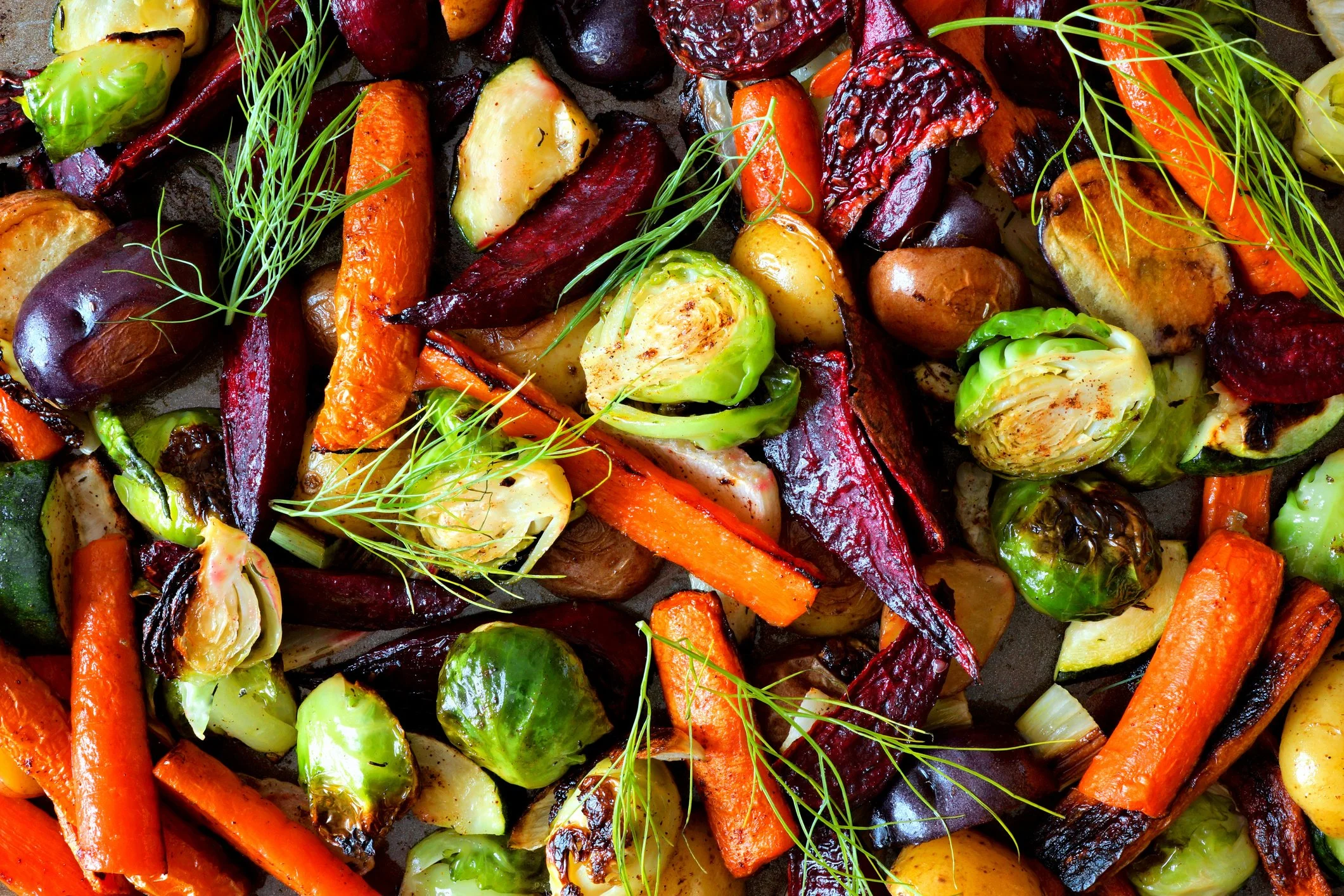
Vegetables add substantial volume for relatively few calories (helping you feel full), which helps make a caloric deficit more satisfying and sustainable. Plus, they offer a huge range of vitamins, minerals, polyphenols, antioxidants, and prebiotics.
I’m guessing everyone reading this is familiar with probiotics, but maybe not prebiotics. Prebiotics are types of fiber that feed beneficial gut bacteria, which allow them to do helpful things like producing the short-chain fatty acid, butyrate. Butyrate nourishes the colon cells and supports gut health, possibly with additional benefit to the immune system more broadly. As the bacteria ferment these fibers, this may also encourage your body’s own release of appetite-regulating hormones, including your own GLP-1, though of course this effect is only modest when compared with the GLP-1 medications.
Variety matters, too. Different plants provide different fibers, nutrients, and phytonutrients, so eating five servings of the same few vegetables every day is not quite the same as regularly rotating through leafy greens, cruciferous vegetables, mushrooms, onions, berries, legumes, and vegetables across the colors of the rainbow.
A practical goal I often use is to aim for around ten different plant foods each day, varying them with the seasons. This is not a magical threshold, but it encourages the diversity most of us are missing. For this purpose, I would count vegetables, herbs, berries, legumes, nuts, and seeds.
Dandelion greens are one of my favorite underrated vegetables. They provide fiber and micronutrients, and their bitter flavor adds variety to salads or cooked greens. But they are only one example. The broader goal is to move beyond the same handful of familiar vegetables and introduce more variety over time.
Starchy vegetables and other carbohydrate-rich plants, such as winter squash, sweet potatoes, and legumes (beans), are also healthy options. But because they contribute more carbohydrates and calories than leafy greens, broccoli, cauliflower, mushrooms, etc., I include them more intentionally based on the rest of the meal and what the carbohydrates are being used for.
Double Check Your Dietary Fiber
Even people who eat a healthy diet often overestimate how much fiber they are actually getting. Vegetables contribute valuable fiber, but many non-starchy vegetables provide only a few grams per serving, so reaching approximately 30 to 45 grams daily usually requires more intention.
This is another reason nutrient tracking can be helpful. Rather than assuming you are eating enough fiber, look at your actual intake for several typical days.
Ways to increase fiber include:
Adding chia seeds or flaxseed to yogurt, oatmeal, or smoothies
Including berries more regularly (wild blueberries are my favorite)
Eating beans, lentils, or other legumes
Choosing higher-fiber whole grains when appropriate
Adding avocado, nuts, and seeds in portions that still fit your calorie goals
Occasionally using a fiber supplement when food alone is not enough
Fiber supplements can be useful, but more is not always better. Increase them gradually and drink adequate water, since a sudden increase can cause bloating, gas, constipation, or loose stools. I also generally recommend taking supplemental fiber away from medications and important supplements, since it may affect absorption.
When meals include adequate protein and fiber, they tend to be more satisfying, and carbohydrate absorption is often more gradual. This can support steadier energy, better blood sugar regulation, and a caloric deficit that feels more manageable.
This brings us to the next important piece: how to think about carbohydrates.
Use Carbohydrates Purposefully
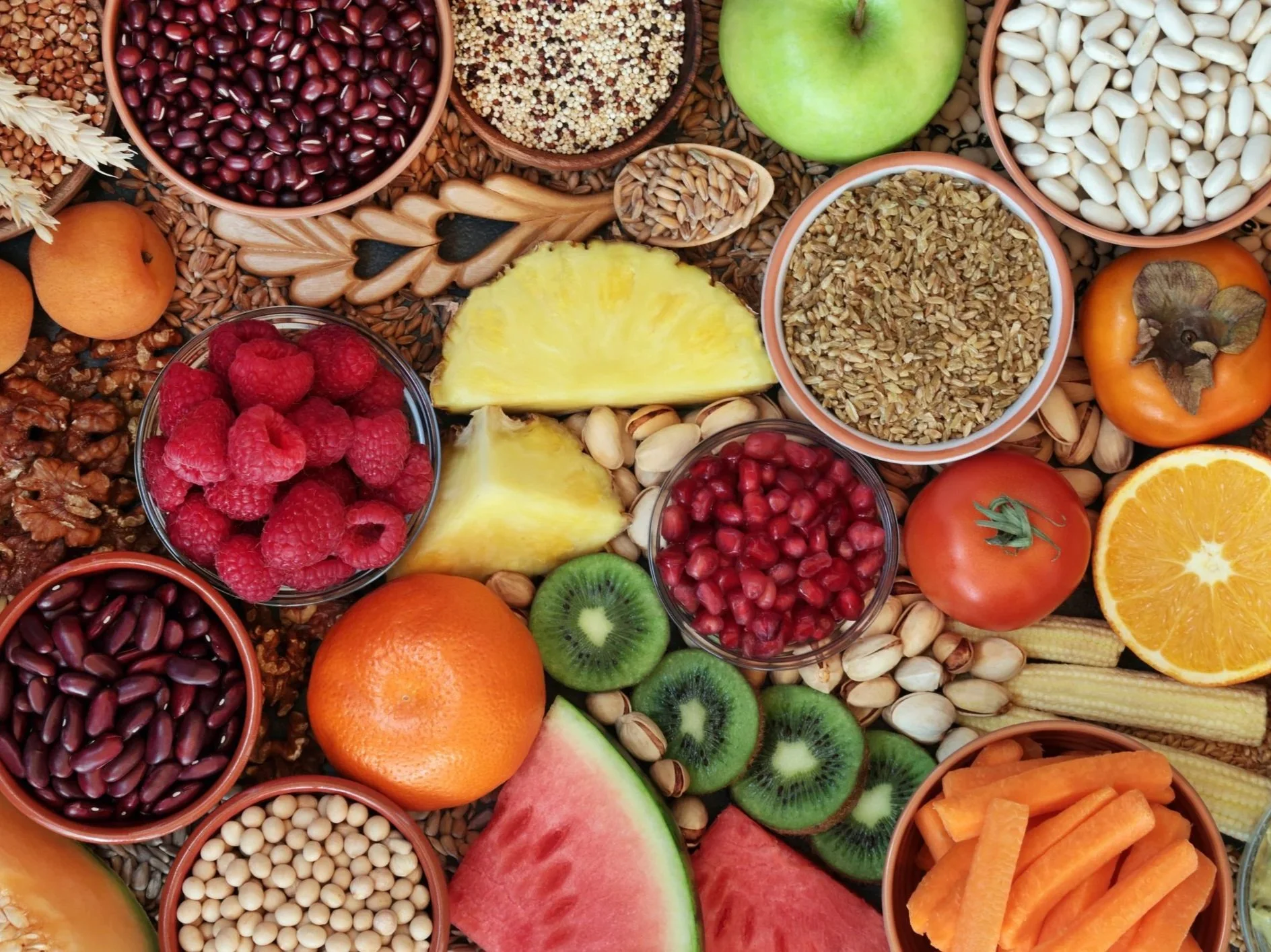
I rarely recommend a low carbohydrate diet for most people. Many carbohydrate rich foods, like legumes, berries, apples, root vegetables, and certain whole grains, are nutrient dense, supportive of overall health, and delicious.
Carbohydrates also support training performance and help replenish muscle glycogen. So the goal is not to eliminate them. It’s to choose the amount and type that best fit your metabolism, activity level, and goals.
Carbohydrate needs can vary based on insulin sensitivity, muscle mass, training volume, sleep, stress, and conditions such as PCOS. Someone completing a demanding strength workout or interval session may benefit from a different intake than someone having a mostly sedentary day.
I also like to match the carbohydrate to its purpose. As part of a balanced meal, I generally favor more complex, fiber rich sources such as legumes, berries, whole fruit, winter squash, sweet potatoes, and minimally processed whole grains like buckwheat. Around demanding exercise, simpler and more easily digested carbohydrates such as rice or a banana may be more useful for performance.
Meal order can help, too. Eating vegetables and protein before the more concentrated carbohydrate portion may support a more gradual glucose response.
A short walk or light movement after meals can also help your muscles use circulating glucose. When the right amount is unclear, nutrient tracking, lab markers such as fasting glucose, hemoglobin A1c, fasting insulin, and triglycerides, or occasional use of a continuous glucose monitor can provide useful feedback.
What About Fat?
There is no shortage of discussion and controversy around dietary fat. But the reality is that we need fat, and I very much believe that a moderate amount of high quality dietary fat supports health, hormone production, satisfaction, and overall well-being.
I am not suggesting a low-fat diet, because fat is delicious and part of what makes life worth living. But if our goal is to lose body fat, then dietary fat, which is calorically dense, is an important consideration.
Once you’ve established an adequate protein target and chosen a carbohydrate range that supports your metabolism and activity level, dietary fat often fills in much of the remaining calorie space.
The important detail is that fat is much more calorie dense than protein or carbohydrates:
Protein provides 4 calories per gram
Carbohydrates provide 4 calories per gram
Fat provides 9 calories per gram
That means relatively small amounts of olive oil, nuts, nut butter, avocado, or cheese can contribute a meaningful number of calories, even though these foods are nutritious.
So if we want to protect protein while keeping enough carbohydrate to support training, dietary fat is often the least disruptive place to create a modest calorie deficit.
The Goal Is To Be Stronger, Not Just Smaller
Fat loss should not come at the expense of your muscle, bone health, training, or energy. Start by understanding what you currently eat, create a modest caloric deficit, and structure your meals to make that deficit more manageable.
Then adjust based on your hunger, strength, recovery, and progress, not just the number on the scale.
Want help putting this into practice? Schedule an appointment so we can talk through an individualized plan for your goals.